
What an Automation Flow Is
An automation flow is like a roadmap that outlines the journey of a potential customer from the first point of contact to becoming a paying client. This flow represents the sequence of steps that your automation takes automatically based on the customer’s actions. For example, when someone downloads a brochure, they will automatically receive a follow-up email with additional information.
Why Automation Matters for B2B Companies
Save Time and Avoid Manual Work
Since B2B companies sell products or services to other businesses rather than individuals, their sales cycles tend to be long and involve many people. Automation acts like a robot helper, handling repetitive tasks—such as sending emails, following up with leads, and tracking interest—so your team can focus on real conversations.
Help Leads Move Through Your Sales Process
Sales in B2B usually take longer as decisions involve multiple people and steps. By sending relevant information at the right time, automation keeps leads moving so prospects don’t fall through the cracks.
Make Work More Predictable
If tasks are performed manually, errors may occur, causing delays such as waiting for approvals or missing follow-ups. To minimise these delays, automation ensures that processes are executed consistently.
Typical B2B Automation Flows You Should Build
Here’s a basic “flow” you might see in B2B. This is all set up once, and then it works automatically.
Typical B2B Automation Flow Example
- Trigger: A business completes a form on your website
- Action: A welcome email is sent automatically
- Next: If the email is opened, a follow-up email is triggered
- Outcome: If the lead clicks or responds, the sales team is notified
How to Structure a High‑Converting Automation Flow
- Understand Your Buyer Journey: Outline all the steps a customer takes before making a purchase.
- Define Triggers: Determine the specific actions that will initiate the automation (e.g., a form submission or a page visit).
- Create Content Paths: Plan the messages to be sent at each step of the journey.
- Integrate Tools: Ensure that your email, CRM, and tracking tools are well-connected and communicate with each other.
- Test and Improve: Monitor the results and make adjustments to your automation to enhance performance over time.
Core Actions & Benefits of Automation Flows
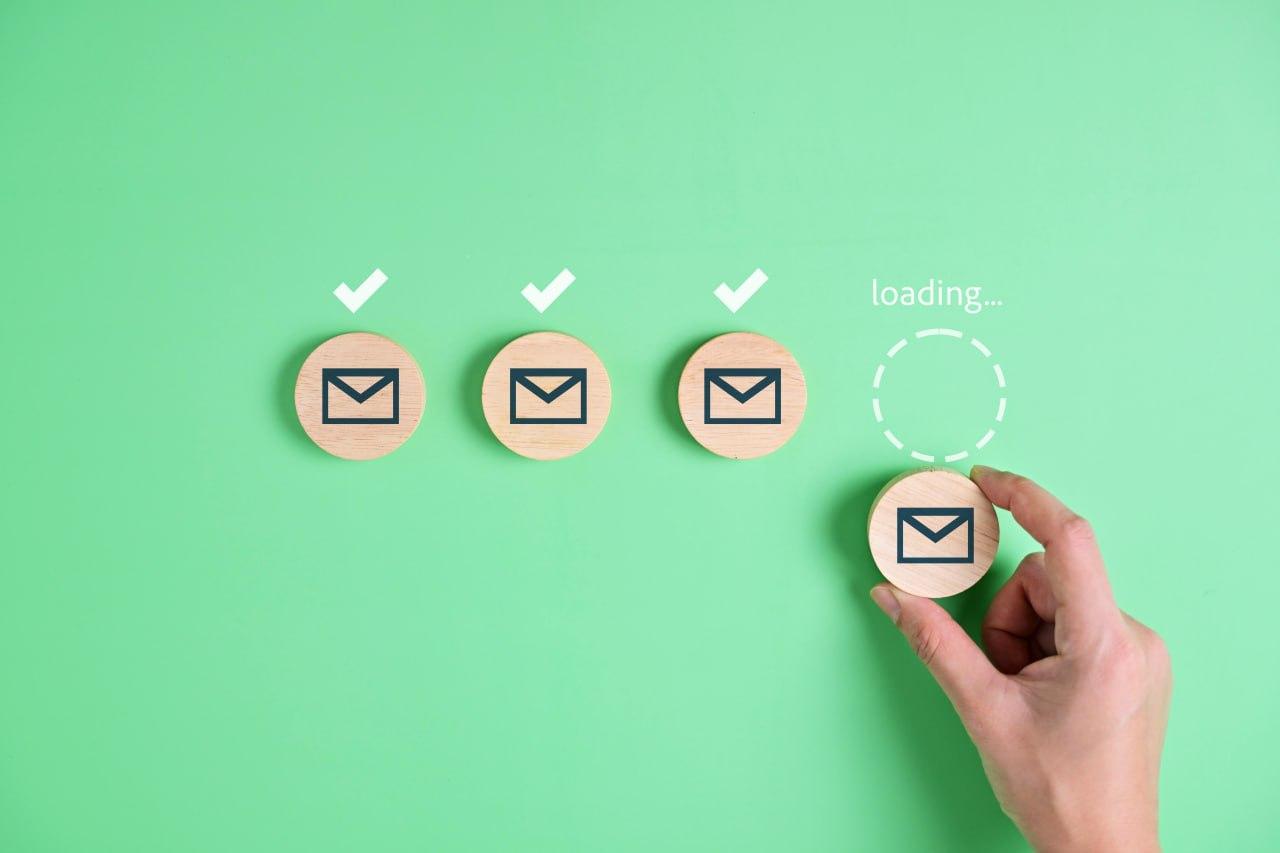
- Sending welcome or follow-up emails ensures that prospects receive quick responses.
- Scoring leads enables the system to evaluate how ready a business is to engage with sales based on their behaviour.
- Routing information to the appropriate team allows highly interested leads to be sent directly to sales.
- Tracking interactions provides insights into what a business has done, such as opening an email or downloading a guide.
Automation Tools & Platforms
Automation tools are software applications that help businesses in setting up, running, and managing automated workflows, eliminating the need for manual processes. Instead of managing spreadsheets and emails separately, these tasks are centralised within one system.
They allow businesses to:
- Send emails automatically
- Track customer behaviour
- Score leads based on interest
- Route qualified leads to the right team
Well-known platforms like HubSpot, Salesforce, and Active Campaign offer these capabilities to help B2B companies efficiently automate their marketing and sales activities. These tools integrate with CRM systems, ensuring a seamless flow of customer data between teams and enhancing collaboration.
Common Challenges & Pitfalls to Avoid
Many companies think automation simply means sending more messages. However, if these messages are not relevant or aligned with the buyer’s stage in the purchasing process, they won’t improve sales. Automation should focus on matching buying intent rather than just boosting activity volume.
Measuring Success: KPIs for Your Automation Flow
Tracking a few simple metrics helps you understand how leads behave and optimise your automation.
- Conversion Rates: Are more leads converting into customers?
- Lead Engagement: Are people opening and clicking on your messages?
- Sales Cycle Time: Is the duration from first contact to sale decreasing?
Key Takeaway
Automation flows help B2B companies simplify complex sales processes by ensuring the right actions happen at the right time. Instead of focusing on volume, successful automation aligns with the buyer’s journey and delivers relevant value at each stage. By reducing manual work and improving consistency, automation enables both marketing and sales teams to work more efficiently. The best place to start is by mapping your customer journey and identifying where automation can make the biggest impact.